The diagnosis of traumatic brain injury (TBI) has been correlated with eye findings that are useful for diagnosis, treatment and prognosis. In such eye expert witness testimony for traumatic brain injury is valuable.
Ophthalmology experts often recognize how significant trauma to the brain can impact vision, movement, perception, and peripheral vision. The brain carries visual input from the eyes through sensitive neural pathways to a portion of the brain known as the occipital cortex. The occipital cortex located in the back of the brain processes visual information. Parameters relating to perception of speed and motion are processed in the occipital cortex.
Source: CDC
Traumatic brain injury can cause a wide spectrum of severity ranging from concussion to the vegetative-state classification. However, even in so-called “mild” cases of traumatic brain injury, individuals may exhibit and are often plagued by ocular impairment.
Proving traumatic brain injury can rely on findings that are obvious or subtle. The Center for Disease Control (CDC) utilizes an approach that is widely used as an authoritative source of information. It may be very helpful to first evaluate any period of observed or self-reported state of impaired cognition . This includes the following key attributes:
– Transient confusion, disorientation, or impaired consciousness
– Memory lapse about the time of alleged injury
– Loss of consciousness lasting less than 30 minutes
Observed signs of neurologic dysfunction including ocular impairment that include the following:
– Altered vision: change in visual acuity, double vision, reduced peripheral vision, and aberrations such as seeing flashes of light or spots (floaters)
– Seizures shortly following injury to the head
– Irritability, vomiting, lethargy shortly following head injury
– Headache, reduced ability to concentrate, dizziness
Eye findings in traumatic brain injury can be seen to serious vision problems such as traumatic optic neuropathy or dysfunction of extraocular muscles that control the movement of the eye. Traumatic optic neuropathy can result in profound vision loss over a short period of time. Optic neuropathy can be diagnosed on ocular examination by the presence of an optic nerve that appears pale in appearance.
Patients with optic neuropathy usually exhibit an abnormal pupil reaction called an afferent pupillary defect. This sign is often abbreviated in the medical record as APD. Depending on the extent and severity, optic neuropathy from traumatic brain injury can involve one eye or both eyes. When both eyes are involved that condition is labeled as “bilateral optic neuropathy”.
Traumatic brain injury can also impact function of the muscles that control the pupil and extraocular muscles that coordinate movement of the eye. The iris has delicate muscles that are responsible for dilating or constricting the pupil. In traumatic injury nerves that control muscles responsible for constricting the pupil can be impacted.
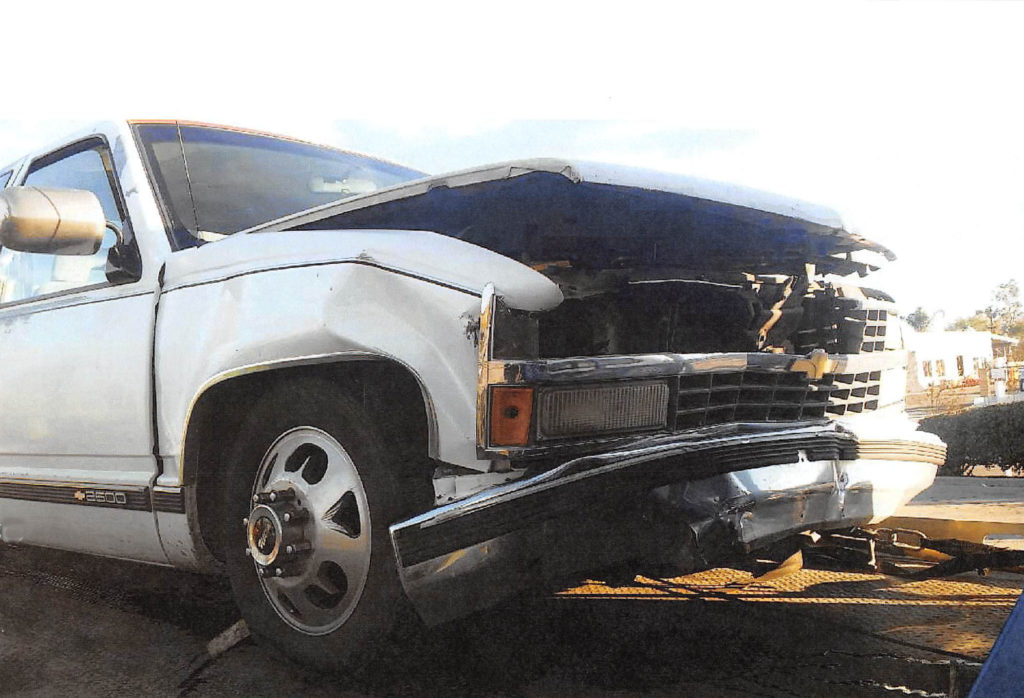
The initial steps in the evaluation of traumatic brain injury includes records from first responders including paramedics, EMS, and eye witness accounts. Records are screened for evidence of cognitive dysfunction, vision abnormalities, and ocular movement disorders. Reactions of the pupil to a light stimulus are often recorded. A collision report may be helpful in determining the vector and strength of forces involved in an accident.
Records from emergency services provided in a clinic or hospital are carefully reviewed for any abnormalities. The presence of skull fractures, scalp lacerations, or bruising can provide collateral documentation to establish the diagnosis of traumatic brain injury. Radiologic studies including X-Rays, CT scans, and MRI scans can help determine the site and extent of anatomic brain injury.
Evaluation by an ocular expert such as a board certified ophthalmologist is often needed to detect abnormalities of the eye and vision related to traumatic brain injury. The ocular expert reviews the history and findings of various medical providers. Details from eye examination are important for establishing the diagnosis. The eye expert witness synthesizes this information to provide testimony to address cause, diagnosis, and prognosis.
When called upon to provide eye expert witness testimony for traumatic brain injury, the ocular expert is asked to describe ocular findings associated with traumatic brain injury (TB) and discuss the significance of these findings. Issues of impairment and the effect of ocular dysfunction on the work and lifestyle of the individual are often disclosed during eye expert witness testimony.
Back to Ocular Expert Home Page from Eye Expert Witness Testimony for Traumatic Brain Injury (TBI)